Waste Management in Bangladesh Garment Factories: Jhut, ETP Sludge and Hazardous Waste
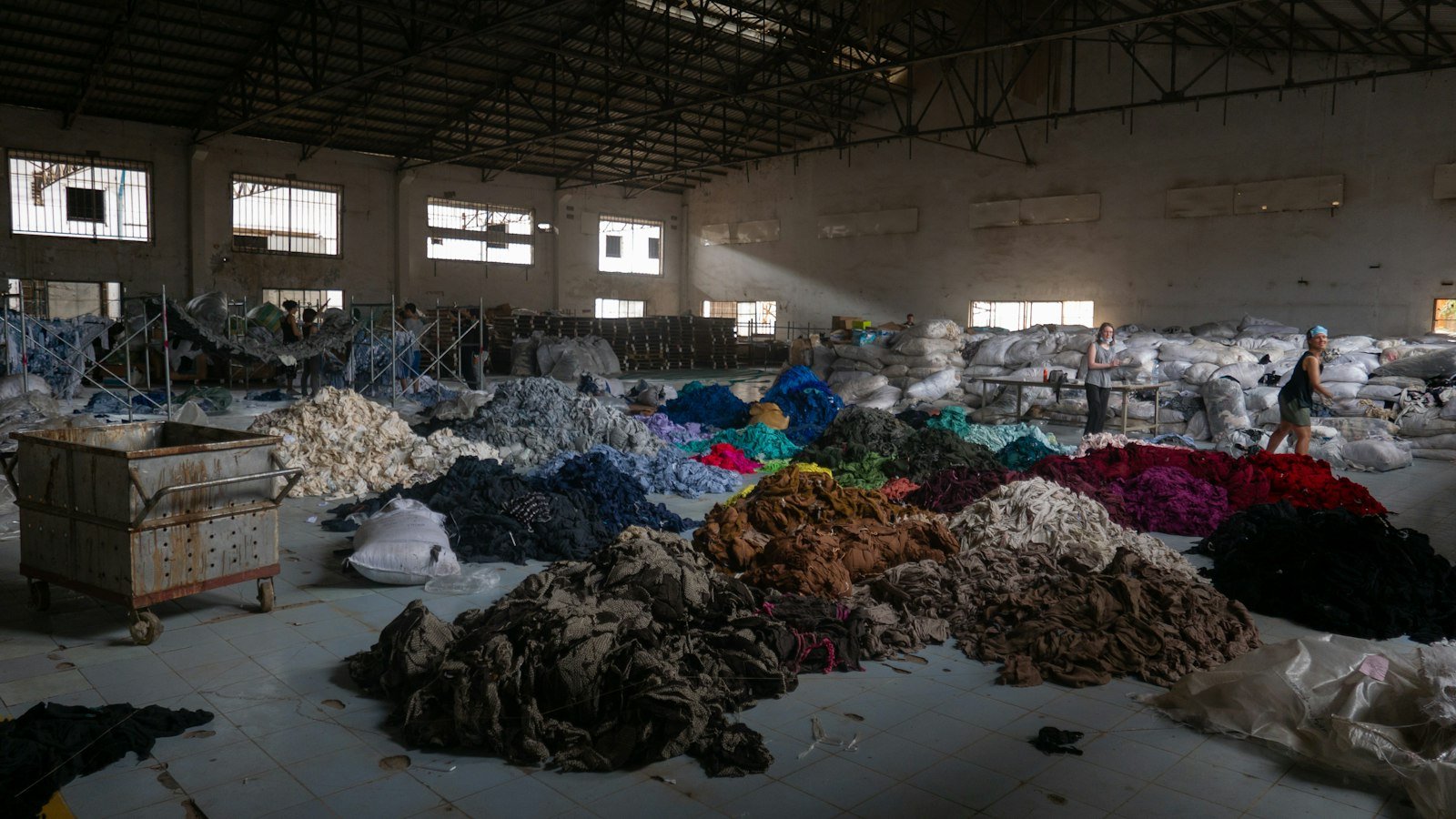
Every garment factory is also a waste producer. Cutting rooms leave behind fabric, sewing floors leave thread and cones, packing leaves cartons and polybags, and a dyeing unit's effluent treatment plant leaves sludge. In Bangladesh the volumes are huge: a GIZ and H&M study estimated 330,000–500,000 tonnes of pre-consumer textile waste a year, and that is only the fabric.
Waste is also where a factory's responsibility quietly ends at the gate, or so many managers assume. It does not. Buyers now ask where the waste went, the law expects it to be handled properly, and the people on the other side of the gate may be some of the most vulnerable workers in the country. This guide explains how to run a waste system that holds up.
Know your waste streams
You cannot manage waste as one pile. Start by listing what your factory produces.
| Stream | Examples | Type | Good route |
|---|---|---|---|
| Fabric waste (jhut) | Cut pieces, end bits, rejected fabric | Non-hazardous | Sorted sale to a vetted recycler |
| Packaging | Cartons, polybags, cones, tubes | Non-hazardous | Reuse, return to supplier, recycling |
| ETP sludge | Dewatered biological and chemical sludge | Depends on classification | Authorised treatment or co-processing |
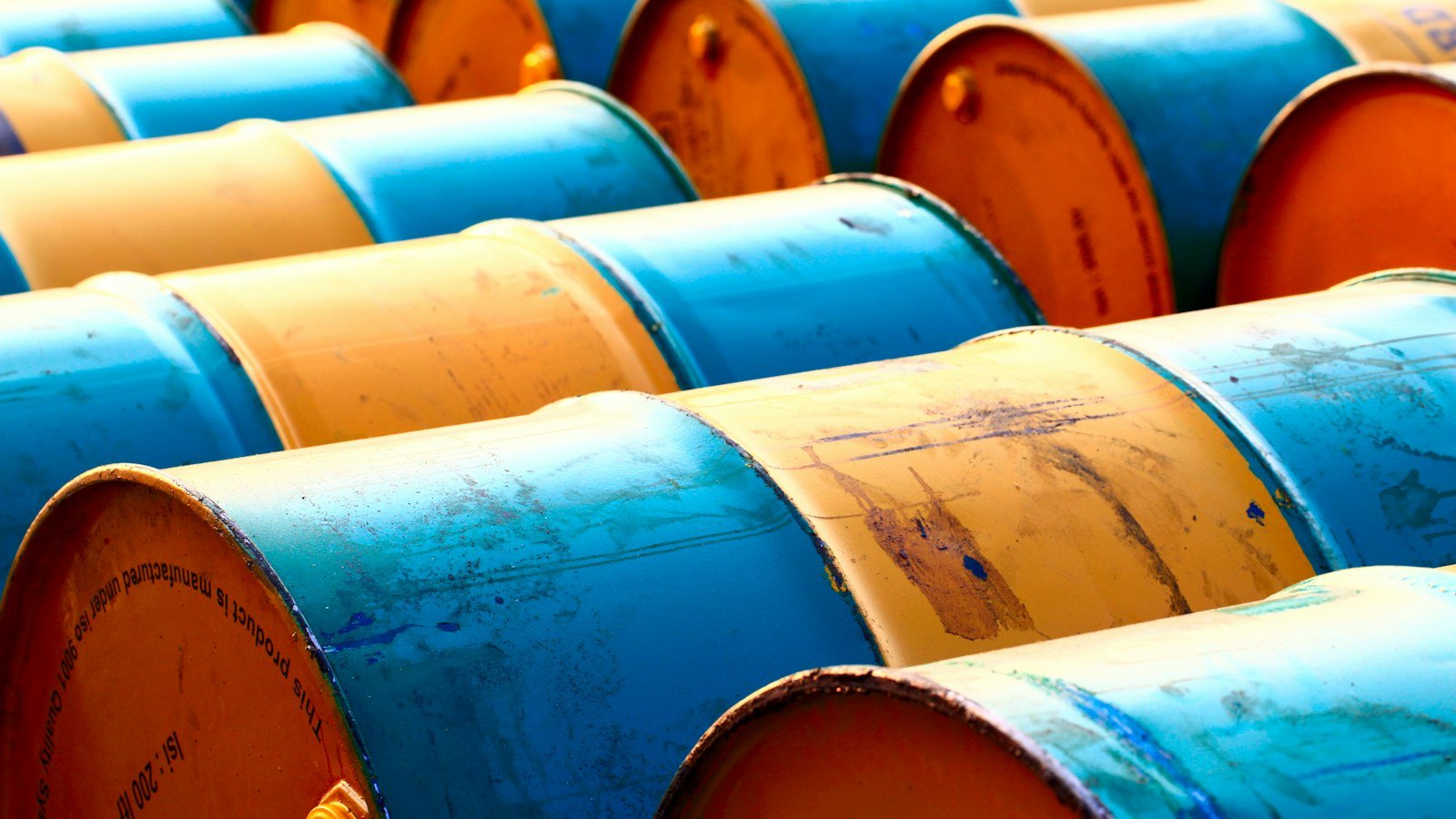
| Chemical waste | Expired chemicals, contaminated rags, empty drums | Usually hazardous | Return to supplier or an authorised handler |
| Oily waste | Machine and generator oil, filters | Hazardous | Authorised collector |
| E-waste | Lamps, batteries, computers | Hazardous | Authorised collector |
| Boiler ash | Ash from solid fuel boilers | Depends on fuel | Tested reuse or disposal |
| Clinic waste | Sharps, dressings | Hazardous | Licensed medical waste service |
| Canteen and domestic | Food waste, office paper | Non-hazardous | City collection, composting |
What the rules say
Several instruments apply, under the Environment Conservation Act 1995:
- Solid Waste Management Rules 2021. Their main purpose is to maximise resource recovery from waste.
- Hazardous Waste (E-waste) Management Rules 2021. These cover electrical and electronic waste.
- Bangladesh Standards and Guidelines for Sludge Management (2015). Published by the Department of Environment with GIZ support, this is the key document for ETP sludge.
- Your own environmental clearance. The conditions on your Department of Environment clearance may include waste requirements, so read them.
Legal commentators note that enforcement of these rules has been weak. That is not a reason to relax, because buyers and verifiers work from your records, not from whether an inspector came.
Jhut: valuable, and not without risk
The GIZ and H&M study found that apparel-grade recycling capacity in Bangladesh is only 18,000–24,000 tonnes a year, about 5–7 per cent of the estimated waste. More than 55 per cent is exported to recyclers abroad, and the rest is downcycled into items such as cushion and mattress stuffing, incinerated for energy or occasionally landfilled. The study estimated the potential at US$4–5 billion a year in recycled-product exports, and called for a national jhut database, recycling standards and better incentives to formalise collection.
The part most factories never see
Most jhut leaves through contractors and into informal markets. Research carried out for UNICEF by The Centre for Child Rights and Business, published in December 2024, studied four textile waste markets in Dhaka, Narayanganj and Gazipur, including Mirpur Jhutpotti and Konabari. It found:
- about 70 per cent of the workers sorting and cleaning waste were women;
- working days of 10–12 hours, 6.5 days a week, usually with no written contract;
- dust and back problems from sorting on the floor;
- child labour that the report describes as common and openly tolerated.
In 2022 Bangladesh added waste management and informal garment production to the list of hazardous jobs prohibited for children. So the buyer of your jhut is a due diligence question, not just a price negotiation. The study was qualitative, with 92 respondents, so it does not measure how widespread these problems are, but it is a clear warning.
How to manage jhut well
- Reduce first. Better markers, fabric inspection and cut planning save more money than selling waste ever will.
- Sort at source. Keep waste separate by fibre composition and colour, because 100 per cent cotton sorted by colour is worth far more than mixed waste.
- Keep it clean. Dry, uncontaminated waste with no oil, trims or general rubbish.
- Weigh and record it. Log quantity by type, date and buyer.
- Use a written contract. Name the destination, and ban child labour and onward sale to unsafe sites.
- Visit the destination. At least once a year, see where your waste actually goes.
- Talk to recyclers. Direct agreements with mills cut out layers of informal handling.
ETP sludge: the hardest stream
An ETP removes pollution from water, and much of it ends up in sludge. A 2023 survey of 36 dyeing, printing and washing units found that none had a sludge treatment procedure or any reuse or recycling, responsible staff had no technical training, 41.7 per cent of printing units still dumped sludge in the open, and 83 per cent of stakeholders did not know the dangers.
How the guideline classifies sludge
The 2015 guideline sets three categories:
| Category | Definition |
|---|---|
| A | Municipal sludge, including comparable sludge |
| B | Sludge from industry, including sludge from a common ETP |
| C | Industrial sludge that counts as hazardous waste |
Whether industrial sludge falls into C depends on where it comes from, what it contains and whether it shows hazardous characteristics, as set out in the guideline's annexes. The producer may provide evidence that sludge first placed in Category C has no hazardous characteristics, so that it can be treated as Category B. That is why testing matters. You cannot classify sludge by looking at it, and mixing it with a more hazardous stream raises the whole batch to the higher category.
Disposal routes
The guideline discusses controlled landfill, thermal incineration, anaerobic digestion and recycling in brick, cement or asphalt making, with routes depending on the category. Use as agricultural fertiliser is for municipal-type sludge, so do not give industrial sludge to farmers. The 2023 survey mentioned below noted that incineration, anaerobic digestion and sanitary landfill are not readily available at industrial scale in Bangladesh, which is the real practical problem.
Co-processing in cement kilns is one of the most promising routes. In January 2025, Urmi Group and LafargeHolcim Bangladesh announced a partnership under which the group supplies ETP sludge for co-processing in cement production, along with waste fabric for recycling. Bangladeshi research has also tested sludge in building materials, finding it usable for non-structural components where lower strength is acceptable. Treat such uses with care, and test for leaching.
Good practice for sludge
- Dewater it, to reduce weight and handling.
- Store it under a roof on an impermeable floor, in closed or covered containers, with any leachate returned to the ETP.
- Test it regularly at an accredited laboratory, and classify it.
- Write a sludge management plan. The guideline expects best available techniques to be assessed as part of this plan.
- Use only authorised transporters and receivers. The guideline describes a delivery note system, with notice given at least two weeks before the sludge is handed over, and copies kept by the producer, forwarder and recipient.
- Record the quantity generated per cubic metre of water treated, so you can spot changes.
Hazardous waste in the factory
Keep a marked, locked, covered storage area with an impermeable floor and a spill kit. Label every container with its contents and date. Do not mix streams, because mixing makes disposal harder and can be dangerous. Empty chemical drums deserve special attention: they should go back to the supplier or to an authorised handler, never to workers for use at home. For handling rules, see the chemical handling guide.
Building the system
- Map it. Walk the factory and list every stream, where it starts and where it goes.
- Assign responsibility. One named person owns the waste register.
- Set up segregation. Use colour-coded bins and signs in Bangla, and train supervisors first.
- Create a central waste yard. Keep it covered, clean and separated by type.
- Vet every vendor. Check licences and contracts, and visit their site.
- Keep a register. Record date, type, quantity, vendor and destination, with a transfer note or weighbridge slip attached.
- Set targets. Useful figures are waste per 1,000 pieces, fabric utilisation, percentage diverted from landfill, and sludge per cubic metre treated.
This is also what the Waste section of the Higg FEM looks for: know your streams and quantities first, then set baselines and reduction targets.
Frequently asked questions
Is jhut hazardous waste? Clean fabric waste is generally not hazardous. It becomes a problem when it is mixed with oily rags, chemicals or general rubbish.
Can a factory burn its fabric waste in the boiler? Do not do this on your own decision. Burning mixed textiles can release harmful emissions, and it needs to fit your environmental clearance and air emission controls.
Can ETP sludge be used as fertiliser? Industrial sludge should not be given to farmers. The guideline's agricultural route is meant for municipal-type sludge.
Who is responsible for waste after a contractor takes it? Legally this depends on your clearance and contract, but buyers increasingly hold the factory responsible for knowing the final destination. Keep the records.
Summary
- List every waste stream, because fabric, packaging, sludge and hazardous waste all need different routes.
- Jhut has real value when it is sorted by fibre and colour, and only 5–7 per cent is recycled locally into apparel-grade fibre.
- The informal waste market carries serious risks, including child labour, so know where your waste goes.
- Classify ETP sludge by testing, store it safely, use authorised routes and keep the delivery notes.
- A named owner, a simple register and vetted vendors matter more than expensive equipment.
For the data behind these issues, read Environmental Impact of the Garment Industry in Bangladesh.
Want help setting up a waste register or sludge plan? Get in touch.
Sources
- Dhaka Tribune, Bangladesh misses out on $5bn annually due to policy gap on recycled textiles
- The Centre for Child Rights and Business for UNICEF (2024), Child Rights and Informal Textile Waste Recycling in Bangladesh
- Department of Environment, Bangladesh Standards and Guidelines for Sludge Management (2015)
- Miah et al., Water (2023), Sludge Management in the Textile Industries of Bangladesh
- Textile Focus, Urmi Group and LafargeHolcim sign for sludge co-processing and fabric waste recycling
- Waste Concern, Waste Management Rules
- ChemLinked, Bangladesh Publishes E-waste Management Rules
- Arabian Journal for Science and Engineering, Textile Effluent Treatment Plant Sludge: Characterization and Utilization in Building Materials
- ResearchGate, Critical Analysis of Applicable Legal Regulation of Plastic and Hazardous Waste in Bangladesh
Cover photo: Francois Le Nguyen on Unsplash.