Environmental Impact of the Garment Industry in Bangladesh: Water, Rivers, Chemicals and Waste
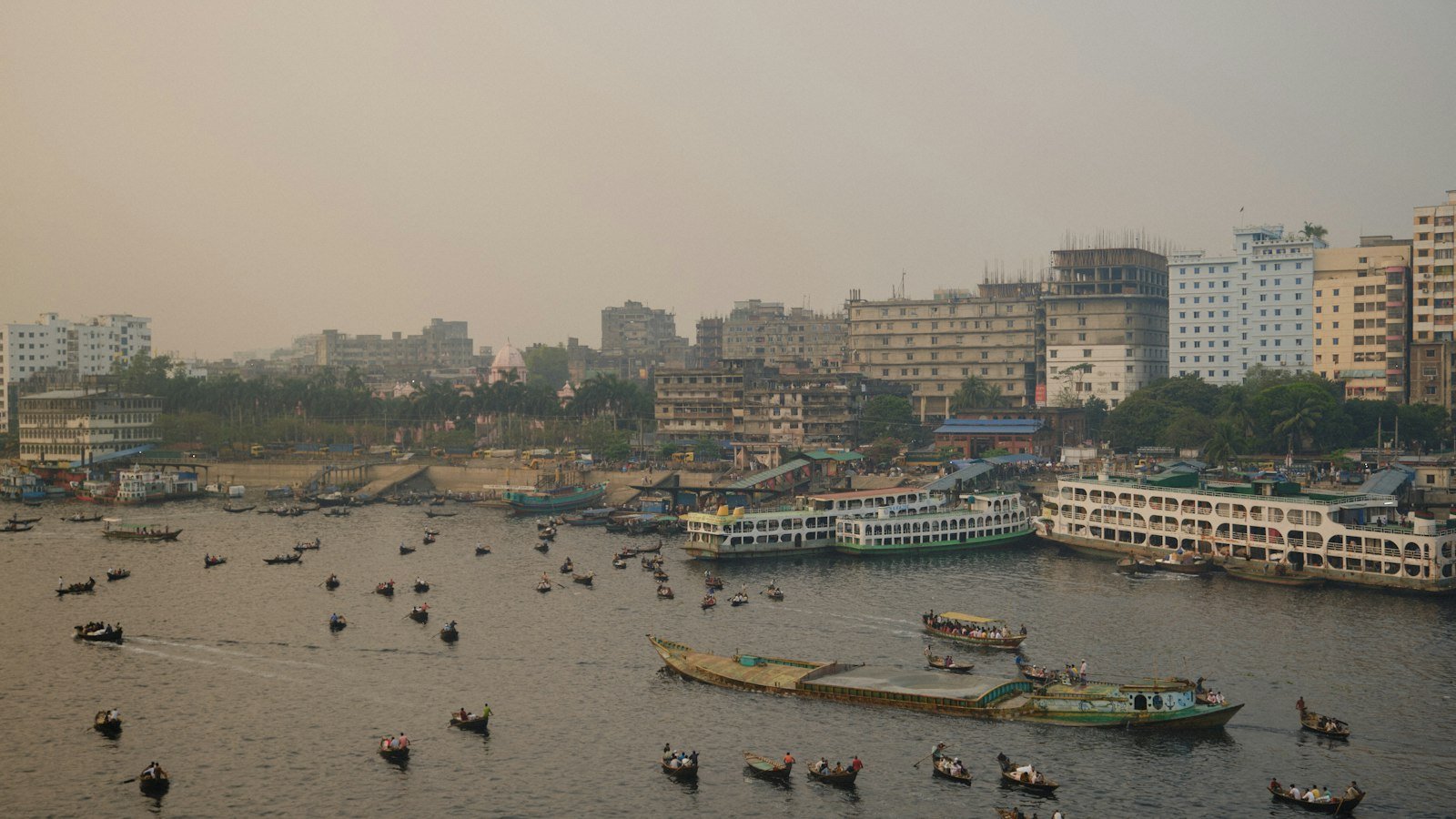
Garments made Bangladesh an export power. In FY2024-25 ready-made garments earned US$39.34 billion of the country's US$48.28 billion merchandise exports, about 81 per cent. That success has an environmental cost, and the cost does not spread evenly. It falls mostly on the rivers and groundwater around Dhaka, Gazipur, Savar and Narayanganj, where most of the wet-processing factories stand.
This article looks at that cost using measured data: what the industry takes from the environment, what it puts back, who is affected, and which fixes have a real record. The sources are listed at the end.
Where the impact actually comes from
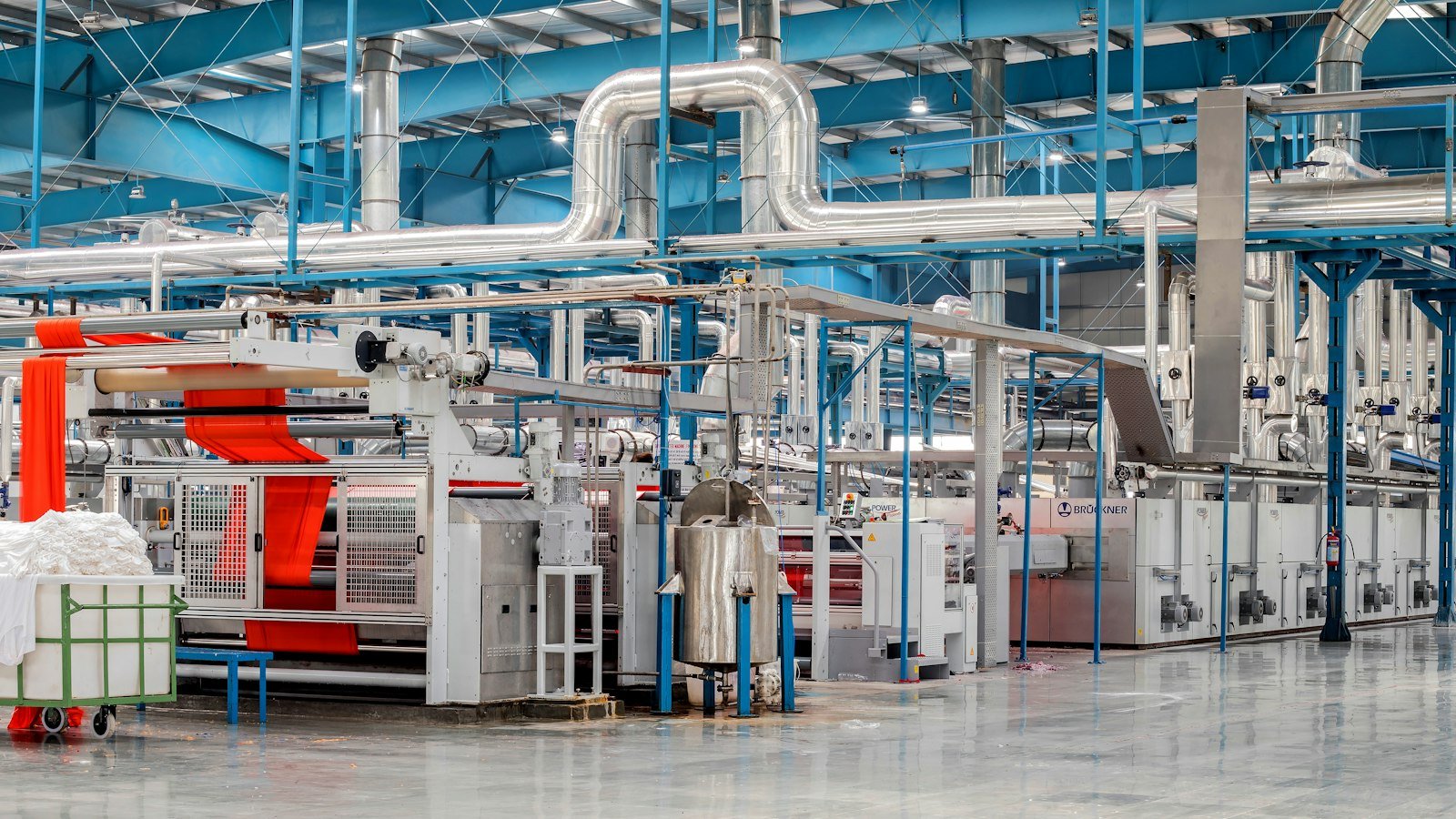
A sewing floor is not the main environmental problem. Most of the damage comes from the steps that use water, heat and chemicals, which is why a dyeing or composite factory carries far more environmental risk than a stand-alone sewing unit.
| Stage | Main inputs | Main environmental impact |
|---|---|---|
| Spinning and weaving | Electricity | Energy use, dust, noise |
| Dyeing, washing, printing, finishing | Groundwater, dyes, chemicals, steam | Wastewater, sludge, energy emissions |
| Cutting and sewing | Fabric, electricity | Cutting waste (jhut), energy use |
| Boilers and generators | Gas, diesel | Air emissions, greenhouse gases |
| Packing and dispatch | Cartons, plastic | Packaging waste, transport emissions |
A 2015 analysis by the 2030 Water Resources Group counted more than 500 wash, dye and finish units in Bangladesh, about 70 per cent of them in the Greater Dhaka area. That concentration is the heart of the problem: a heavy load on a small stretch of rivers and one stressed aquifer.
Water: the biggest pressure
Textile wet processing in Bangladesh runs on groundwater. The same 2015 analysis found that:
- textile and leather factories took about 98 per cent of their water from groundwater;
- an average factory used up to 250–300 litres per kilogram of fabric, against a global benchmark of about 100 litres;
- under business as usual, the textile sector would need over 6,750 megalitres more water per day by 2030.
More recent factory data shows both progress and a wide spread. A 2023 study of 18 wet-processing factories in Gazipur and Narayanganj measured an average of 164 litres of groundwater per kilogram of textile processed and 119 litres of wastewater. Individual factories ranged from 28 litres per kilogram at a denim unit to 285 at a knit composite. The authors caution that the sample may not represent the whole industry, but the spread itself is the useful finding: water use depends heavily on the product, the shade and how well the factory is run.
That water comes out of an aquifer that is already falling. Research cited in a 2024 paper puts the mean decline in the Dhaka metropolitan area at about 1.5 to 2.11 metres a year, and the 2023 study cites Gazipur levels dropping from 5 metres to 21 metres below sea level between 1980 and 2008. Factories are not the only cause, because city water supply also draws heavily on groundwater. But the 2030 Water Resources Group warned that falling water tables could end up threatening industrial production itself.
Rivers: where the wastewater ends up
Water that goes into a factory comes out carrying dyes, salts and organic load. The 2030 Water Resources Group compared the organic pollution load, measured as chemical oxygen demand (COD), from different sources:
| Source of COD load (tonnes per year) | 2014 | 2030 projection |
|---|---|---|
| Textile industry | 588,362 | 1,881,710 |
| Leather industry | 35,478 | 128,375 |
| Dhaka domestic properties | 457,832 | 737,998 |
These are modelled business-as-usual figures, not measurements. They still make one point plainly: the textile sector's load was estimated to be larger than that of all of Dhaka's homes.
The rivers show the result. A Bangladesh Navy assessment, reported in September 2026, found average dissolved oxygen in the Buriganga of 1.70–2.68 mg/l, and around zero in some areas during the dry season, against a standard of above 5 mg/l. BOD was 10.67–13 mg/l and COD 31.56–53.44 mg/l. Of the 166 discharge outlets identified on the Buriganga, 81 belonged to factories and industrial establishments. On the Turag, 26 of 58 did.
To be fair to the industry, these rivers also receive tannery waste, untreated sewage, market waste and oil. Garments are a major contributor, not the only one. The public outlets belonging to Dhaka WASA and the city corporations appear on the same list.
Chemicals and sludge
The 2023 study recorded an average of 449 grams of chemicals per kilogram of textile processed, with individual factories using between 954 and 4,525 tonnes a year. Most of that weight is basic chemicals such as salt, soda, acids and bleach; reactive dyes are the main textile-specific group.
An effluent treatment plant does not make that load disappear. Much of it moves into sludge, which then needs its own safe route. A 2023 survey of 36 dyeing, printing and washing units found:
- none had a sludge treatment procedure or any reuse or recycling activity;
- 41.7 per cent of the printing units still dumped sludge in the open environment;
- 83 per cent of stakeholders were unaware of the dangers of improper sludge handling.
Bangladesh has had national Standards and Guidelines for Sludge Management since 2015. The gap is in practice, not in the absence of a rule.
Fabric waste
Cutting rooms produce an estimated 330,000–500,000 tonnes of pre-consumer textile waste, known as jhut, every year. A GIZ and H&M study found that apparel-grade recycling capacity in Bangladesh covers only about 5–7 per cent of it, while more than 55 per cent is exported for recycling abroad. The same study put the missed opportunity at US$4–5 billion a year in potential recycled-product exports. The environmental issue here is less about pollution and more about waste of value: fibre that could replace virgin cotton leaves the country or is downcycled.
Air and climate
Steam comes mostly from gas boilers, and power from the grid and captive generators. A working paper that built an emissions inventory for the sector found textiles responsible for 67.8 per cent of emissions and garments for 32.2 per cent, with direct fuel burning (Scope 1) making up about 85 per cent. Renewable energy was only 5.61 per cent of Bangladesh's generation capacity in recent SREDA figures, so the grid offers little relief yet. Globally, the Apparel Impact Institute put apparel emissions at 944 million tonnes in 2023, nearly 2 per cent of the world's total.
Who pays the cost
- People living near the rivers lose clean surface water, fish and safe places to bathe and wash.
- Workers carry the closest exposure to chemicals, heat and dust.
- Factories pay too. Pumping from deeper wells, treating more water and failing buyer assessments all cost money. The 2030 Water Resources Group warned that the capital and operating costs of meeting water demand and discharge standards to 2030 would be substantial under business as usual.
- The country carries the risk that its largest export sector depends on a resource it is using up.
What has been shown to work
| Problem | Action | Evidence |
|---|---|---|
| High water use | Counter-current or batch washing, fixing leaks and valves | Can save 45–75 per cent of washing water, according to the 2023 study |
| Process waste | Cleaner production programmes | In IFC's PaCT, about 200 factories invested US$16.3 million and saved about US$39 million between 2013 and 2017 |
| Wastewater | Treat every day and reuse | Tiruppur in India now recycles about 130 million litres of water a day |
| Sludge | Co-processing in cement kilns | Urmi Group agreed this route with LafargeHolcim Bangladesh in 2025 |
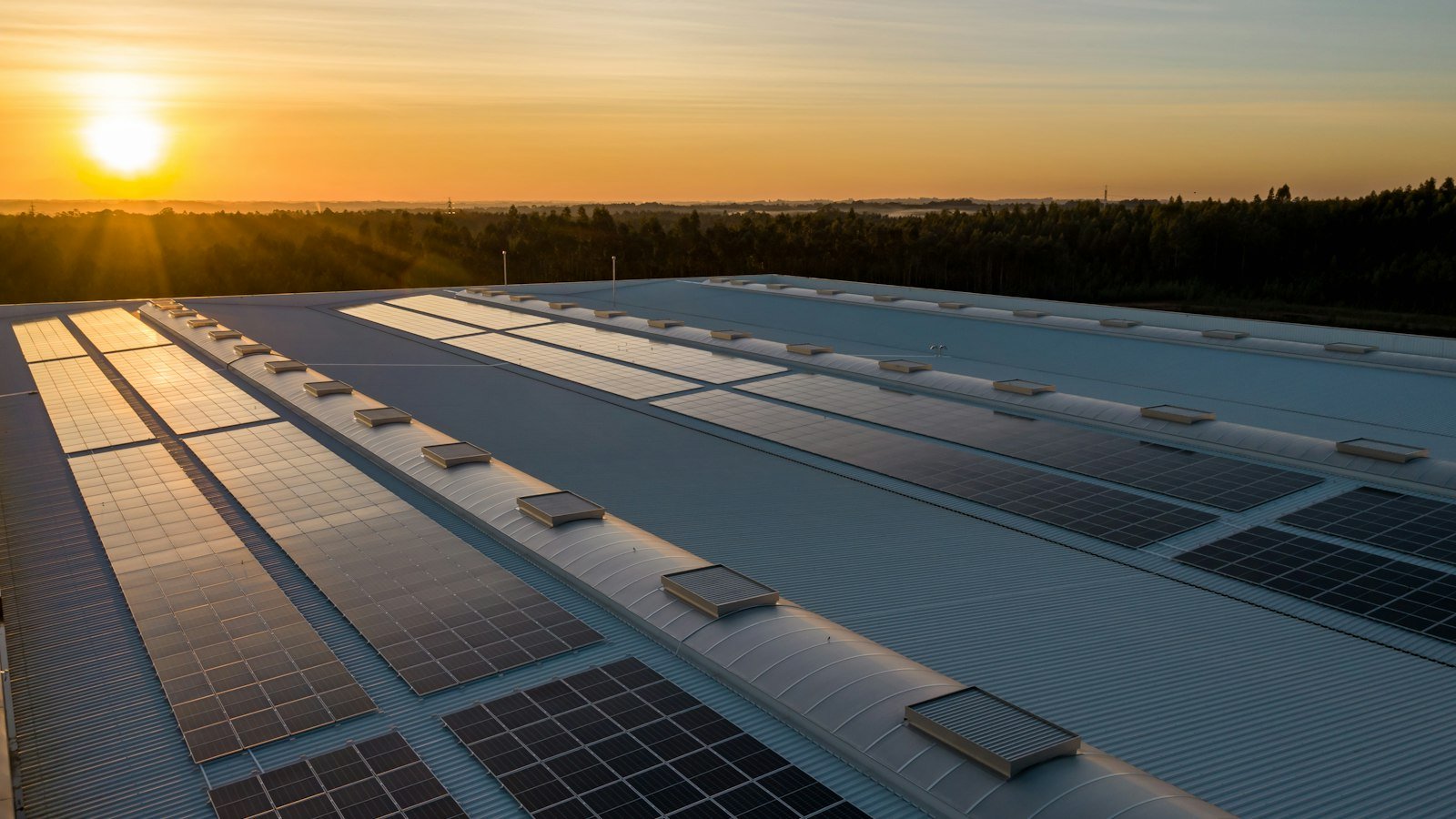
| Energy | Efficiency first, then rooftop solar | Ha-Meem Group reports 29.2 MWp of rooftop solar and nearly 60 per cent less diesel use |
Bangladesh's green factory movement, with about 290 LEED-certified factories, shows that the industry can move quickly when buyers and owners want it to. I covered that story in Green Industry in Bangladesh. The harder task is making good practice normal in the thousands of factories that will never be showcases.
What a factory can do this year
- Measure. Meter groundwater, wastewater, energy and chemicals, and report them per kilogram of production. Most improvements start with seeing the real number.
- Run the ETP every day. Keep flow records, electricity records and test reports that prove it.
- Fix the washing process. Rinsing is often the cheapest place to save water.
- Give sludge a legal route. Classify it, store it under cover and keep delivery records.
- Segregate jhut by fibre and colour. Clean, sorted waste is worth more, and it is what recyclers need.
- Set a yearly target for water, energy and waste per unit of production, and review it with management.
Frequently asked questions
Is the garment industry the main cause of river pollution around Dhaka? It is a major cause, but not the only one. Tanneries, untreated sewage, municipal waste and oil also reach the same rivers. Wet-processing units carry most of the sector's share; sewing units contribute far less.
Do sewing-only factories have an environmental impact? Yes, but a smaller one: electricity, fabric waste, packaging and domestic wastewater. Their largest indirect impact sits in the fabric they buy.
Does having an ETP mean a factory is environmentally compliant? No. An ETP only helps while it is running correctly, and the factory still has to meet discharge standards, handle sludge legally and keep records that prove all of this.
Which numbers should a factory track first? Groundwater used, wastewater discharged, energy, chemicals and waste, each per kilogram of product. These are also the numbers buyers ask for.
Summary
- Most environmental damage comes from wet processing, not sewing.
- Factories have relied almost entirely on groundwater, while Dhaka's aquifer falls by more than a metre a year.
- River oxygen levels around Dhaka are far below the standard, and factories own a large share of the discharge outlets.
- Treating wastewater creates sludge, and a 2023 survey found no factory in its sample treating or reusing it.
- Efficient washing, a properly run ETP, legal sludge routes and sorted jhut are proven and affordable first steps.
Need to map your factory's environmental impact before a buyer assessment? Get in touch.
Sources
- The Financial Express, Exports fetch $48.28b in FY25
- 2030 Water Resources Group / World Bank, An analysis of industrial water use in Bangladesh with a focus on the textile and leather industries (2015)
- Uddin et al., PLOS Sustainability and Transformation (2023), Water and chemical consumption in the textile processing industry of Bangladesh
- Gomes (2024), Business Strategy and Development, Sustainability transformation in the textile industry: the case of wastewater management
- The Financial Express, Buriganga, Turag choke on waste as Bangladesh moves to revive Dhaka's dying rivers
- Miah et al., Water (2023), Sludge Management in the Textile Industries of Bangladesh
- Dhaka Tribune, Bangladesh misses out on $5bn annually due to policy gap on recycled textiles
- Biswas et al., SSRN working paper, Developing Greenhouse Gas Emission Inventory for Bangladesh's Textile and Readymade Garment Industries
- Mongabay (2026), Despite energy crisis, Bangladesh's factories are slow to adopt solar power: study
- Apparel Impact Institute, Taking Stock of Progress Against the Roadmap to Net Zero 2025
- The Daily Star, $16.3m green tech saved $39m
- The Better India, How this Tamil Nadu city recycles 130 million litres of water daily
- Textile Focus, Urmi Group and LafargeHolcim sign for sludge co-processing and fabric waste recycling
Cover photo: Austin Curtis on Unsplash.