Chemical Handling in Garment and Textile Factories: A Practical Guide for Bangladesh
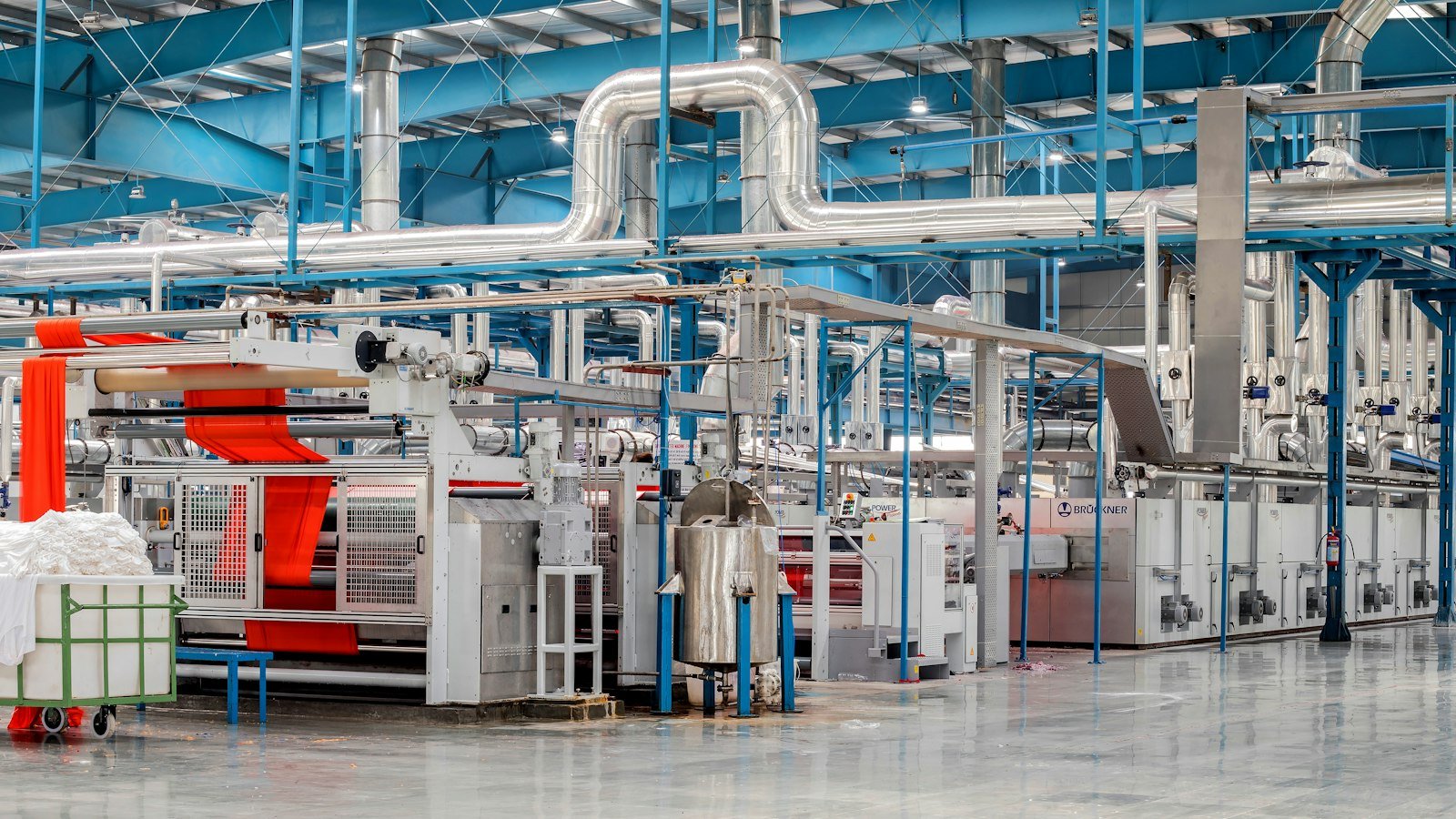
A dyeing floor in Bangladesh can get through thousands of tonnes of chemicals in a year. A 2023 study of 18 wet-processing factories recorded an average of 449 grams of chemicals for every kilogram of textile processed, and individual factories used between 954 and 4,525 tonnes annually. Most of that is ordinary salt, soda, acid and bleach, but ordinary does not mean safe. Caustic soda burns skin, bleach and acid together release chlorine gas, and damp hydrosulphite can heat up on its own.
Poor chemical handling hurts workers, starts fires, damages the river and fails buyer assessments. This guide follows a chemical through the factory, from purchase order to empty drum, and explains what good practice looks like in a Bangladeshi garment, washing or dyeing unit.
Big news: ZDHC MRSL V4.0
On 29 October 2026 the ZDHC Foundation launched version 4.0 of its Manufacturing Restricted Substances List (MRSL), the list of substances that must not be intentionally used in textile, leather and footwear chemical formulations. Many global brands require it from their suppliers. According to ZDHC:
- 16 new substances are covered that were not in V3.1, including bisphenols, formaldehyde, PCBs and certain UV absorbers.
- Limits are stricter for alkylphenol ethoxylates (APEOs), chlorinated paraffins and certain organic solvents.
- PFAS may not be intentionally added. For unintentional contamination, the limits are 25 µg/kg for an individual PFAS, 250 µg/kg for the sum of PFAS and 50 mg/kg for total fluorine.
- Titanium dioxide has been removed from the list after its regulatory classification changed.
ZDHC says a defined implementation and transition approach will follow, but the launch announcement does not give dates. Earlier versions had a 12-month transition, so it would be unwise to assume anything until you have read the V4.0 Implementation Approach. What a factory can do today is ask each chemical supplier when their products will conform to V4.0, and stop assuming a V3.1 certificate will stay valid for long.
What the law requires
The Bangladesh Labour Act 2006 does not have a single chemical chapter, but several sections apply directly:
- Section 78A says no worker may be engaged without personal safety equipment, the employer must ensure it is used and keep a record book, and workers must be trained on the hazards of their work.
- Section 77 controls entry into confined spaces where dangerous fumes are likely. Nobody may enter unless the space has been tested and found safe, or the worker wears suitable breathing apparatus with a rope held by someone outside. ETP tanks, sumps and sludge pits are exactly this kind of space.
- Section 79 lets the government declare operations dangerous and set rules for them, including medical examinations and restrictions on who may do the work.
- Section 90A requires a safety committee. The 2026 amendment reportedly extends this to all establishments with 50 or more workers, and a new section 61A reportedly gives workers the right to refuse dangerous work without retaliation. Check these against the gazetted text.
Buyer standards go further. The chemical section of the Higg FEM and most buyer codes expect a complete inventory, safety data sheets and restricted substance controls. If you are preparing for that assessment, see the Higg FEM guide.
The chemical journey, step by step
1. Before you buy
Most chemical problems can be stopped at the purchase order. Before any new product enters the factory:
- Get the safety data sheet (SDS) and a technical data sheet.
- Ask for evidence of MRSL conformance, ideally through the ZDHC Gateway.
- Have the safety or environmental officer approve the product, not only the dyeing master.
- Check whether a safer alternative does the same job.
2. Keep an inventory
Every chemical on site belongs on one list: trade name, supplier, function, hazard class, storage location, quantity, MRSL status and SDS date. If a drum is on the floor but not on the list, your system has already failed.
3. Read the safety data sheet
A GHS safety data sheet always has 16 sections. Nobody reads all of them on the floor, so train people on the ones that matter:
| SDS section | Why it matters on the floor |
|---|---|
| 2. Hazards | What can hurt you, with pictograms |
| 4. First aid | What to do in the first minutes |
| 5. Fire-fighting | Which extinguisher, and what not to use |
| 6. Accidental release | How to clean up a spill |
| 7. Handling and storage | Storage conditions and what to keep it away from |
| 8. Exposure controls and PPE | Which gloves, goggles and mask |
| 10. Stability and reactivity | What it must never touch |
| 13. Disposal | How to get rid of it |
Keep SDS copies at the store and at the point of use, and in a language workers can read. A one-page Bangla summary beside each chemical does more than a thick English file in an office.
4. Store chemicals by what they react with
The most common storage mistake is arranging chemicals by department or alphabet. They should be separated by compatibility. The table below is a general guide for typical textile chemicals. Always check sections 7 and 10 of your own SDS.
| Group | Examples | Keep away from | Main risk |
|---|---|---|---|
| Oxidisers | Hydrogen peroxide, potassium permanganate, bleaching powder | Reducers, organics, acids, fabric and cardboard | Fire, violent reaction |
| Hypochlorites | Sodium hypochlorite | Acids, ammonia products | Toxic chlorine gas |
| Reducing agents | Sodium hydrosulphite | Water, damp air, oxidisers, acids | Self-heating, toxic gas |
| Acids | Acetic, formic, sulphuric | Alkalis, hypochlorite, hydrosulphite | Burns, heat, toxic gas |
| Alkalis | Caustic soda, soda ash | Acids | Severe burns, heat |
| Flammable liquids | Solvents, kerosene | Heat, sparks, oxidisers | Fire |
| Dyes and powders | Reactive dyes, pigments | Damp, open handling | Dust inhalation, sensitisation |
A good chemical store has:
- ventilation, shade and a cool temperature;
- an impermeable floor with no open drain;
- bunding or spill pallets that can hold a leak (110 per cent of the largest container is a common rule of thumb);
- marked zones and clear labels on every container;
- a spill kit, eyewash, fire extinguishers and a posted emergency plan;
- no food, no smoking and no storage of finished goods.
5. Dispense and mix safely
Accidents usually happen during transfer, not storage.
- Label every secondary container. An unmarked bucket is the classic cause of a wrong mix.
- Use pumps or closed dosing where you can, instead of pouring by hand.
- Always add acid or caustic to water, slowly, never water into concentrated acid.
- Weigh powders under extraction, or at least with a suitable mask, to control dust.
- Keep potassium permanganate spray and other denim-washing processes in a separate ventilated area, with respirators suited to the job.
6. Use the right PPE
| Task | Minimum PPE (confirm with SDS section 8) |
|---|---|
| Handling acids and alkalis | Chemical-resistant gloves, goggles or face shield, apron, boots |
| Weighing dye powder | Dust mask or respirator, gloves, goggles |
| Spray bleaching and permanganate | Suitable respirator, goggles, chemical suit, gloves |
| ETP chemical dosing | Gloves, goggles, apron, boots |
| Entering a tank or sump | Gas test, breathing apparatus, harness, a person outside |
Section 78A requires a record book for this, so issue PPE against a signature and replace it on a schedule. Cotton gloves and a surgical mask are not chemical protection.
7. Be ready for an emergency
Write a simple plan for the three things most likely to happen, and practise it.
- Eye or skin splash: flush with clean water right away, usually for at least 15 minutes, and follow SDS section 4.
- Spill: alert people, keep them away, wear PPE, contain it so it cannot reach a drain, then absorb and collect it. Do not wash a spill into the drain, and do not use water on hydrosulphite.
- Fire: raise the alarm, evacuate, and tell the fire service what is stored there. Keep the SDS file near the gate.
8. Deal with what is left
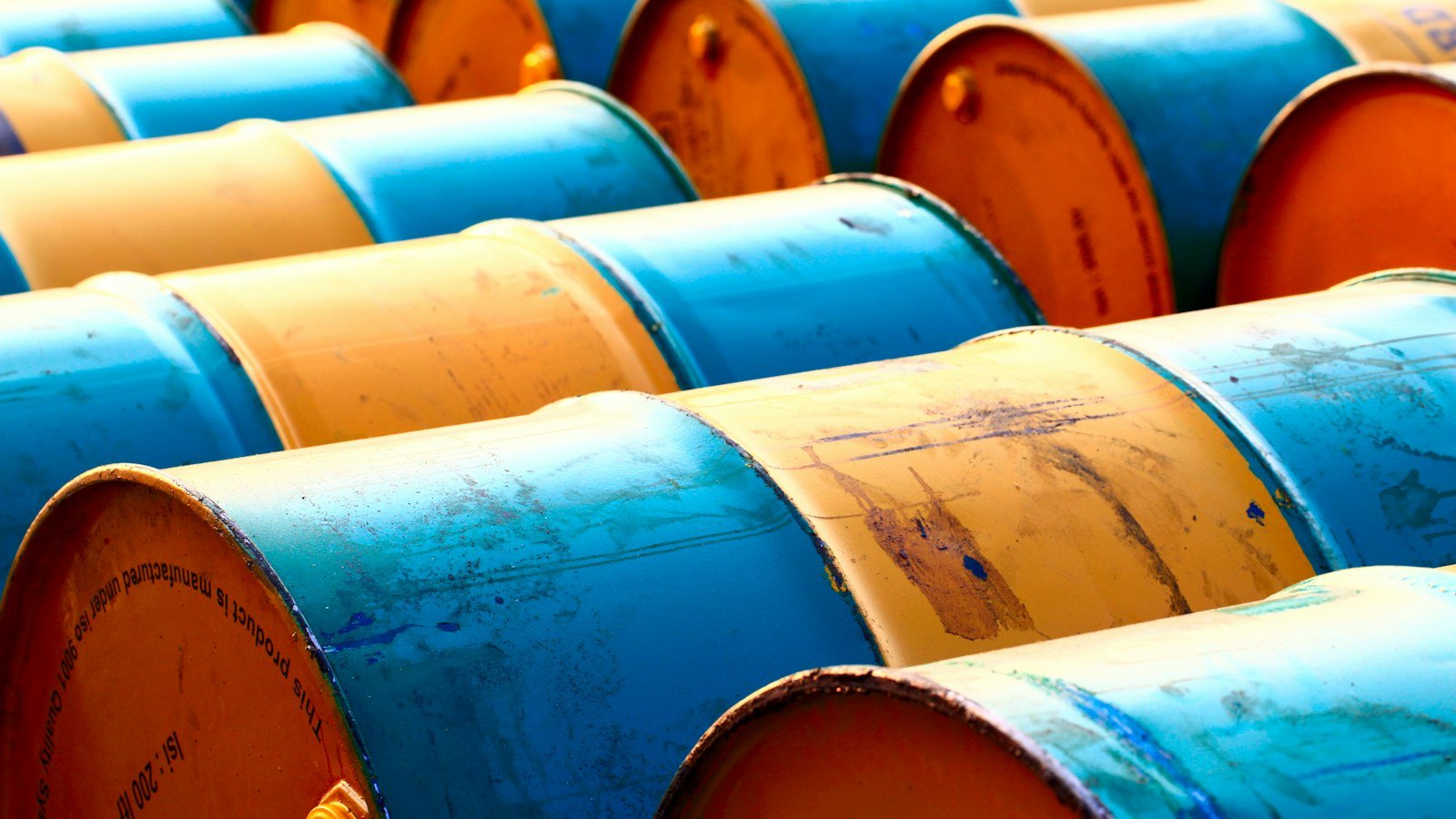
Expired chemicals, sludge, contaminated rags and empty drums are not ordinary rubbish. Return drums to the supplier where possible, rinse them only into the ETP, and never let workers take them home for water storage. Give hazardous waste to an authorised handler and keep the transfer record.
Wastewater is part of chemical handling
What you buy comes out in your effluent. ZDHC's Wastewater Guidelines test for restricted substances as well as conventional parameters such as pH, BOD and COD, so a good ETP cannot fully hide bad chemical choices. Controlling inputs is cheaper than treating outputs. In Bangladesh, BKMEA and ZDHC have also announced a 36-month programme on chemical and wastewater management for knitwear factories, including wastewater testing at 25 wet-processing sites, which is worth following if you are a knit exporter.
Records a verifier will ask for
- Chemical inventory with MRSL status
- SDS file, current and accessible
- Approval records for new chemicals
- Training attendance and content
- PPE issue records
- Store inspection checklists
- Spill and incident log
- Waste transfer records
- Wastewater test reports
Frequently asked questions
What is the difference between an MRSL and an RSL? A Manufacturing Restricted Substances List controls what goes into production. A Restricted Substances List controls what may remain on the finished product. A garment can pass an RSL test while the factory's process still fails the MRSL.
How often should workers be trained? At induction, whenever a new chemical or process is introduced, and regularly afterwards. Annual refreshers are a sensible minimum, and they should be practical, in Bangla, and recorded.
Do sewing factories need a chemical programme? Yes, on a smaller scale. Spot cleaners, machine oil, adhesives and printing or embroidery chemicals all need an inventory, an SDS and safe storage.
Does a ZDHC-conformant chemical mean it is safe to handle? No. MRSL conformance is about restricted substances. A conformant caustic soda will still burn your skin, so SDS rules and PPE still apply.
Summary
- Chemical safety starts at the purchase order, with an SDS and MRSL evidence.
- ZDHC MRSL V4.0 was launched on 29 October 2026, with 16 new substances, stricter limits and new PFAS thresholds. Watch for its transition dates.
- Store by compatibility, not by department or alphabet.
- Label every container, and treat ETP tanks and sumps as dangerous confined spaces.
- Keep the records: inventory, SDS, training, PPE, incidents and waste transfers.
For the wider picture of what these chemicals do once they leave the factory, read Environmental Impact of the Garment Industry in Bangladesh.
Need help with a chemical inventory, store layout or buyer preparation? Get in touch.
Sources
- Uddin et al., PLOS Sustainability and Transformation (2023), Water and chemical consumption in the textile processing industry of Bangladesh
- ZDHC Foundation, ZDHC launches MRSL V4.0
- Roadmap to Zero, ZDHC MRSL
- Roadmap to Zero, ZDHC Wastewater Guidelines
- Global Textile Times, ZDHC and BKMEA join forces to strengthen chemical and wastewater management
- Government of Bangladesh, The Bangladesh Labour Act, 2006 (English text)
- MiHCM, Bangladesh Labour (Amendment) Act 2026: HR compliance guide
- OSHA, Hazard Communication Standard: Safety Data Sheets (OSHA 3514)
Cover photo: Atik sulianami on Unsplash.